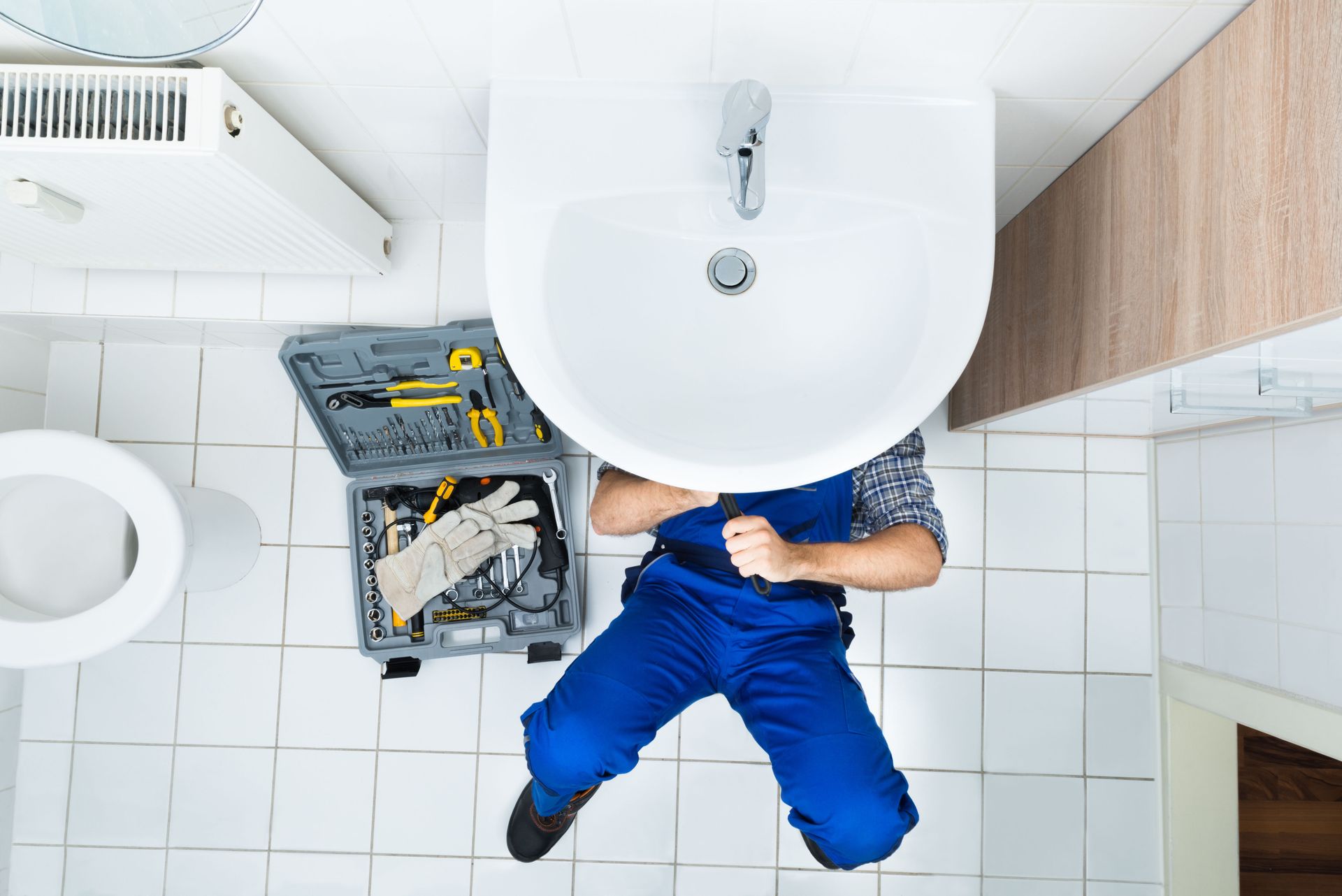
Improving household water efficiency is an important step toward conserving resources, reducing utility bills, and maintaining reliable plumbing systems. A professional plumber can help homeowners identify unnecessary water consumption and recommend practical improvements. From repairing hidden leaks to installing modern fixtures, professional plumbing services support more efficient water management throughout the home. Understanding these solutions allows homeowners to make informed decisions about maintenance, upgrades, and daily water usage. With the right combination of professional assistance and responsible habits, households can conserve water while maintaining comfort and convenience.
Identifying and Repairing Hidden Plumbing Leaks
Leaks are among the most common causes of unnecessary household water consumption. Dripping faucets, running toilets, deteriorating pipes, and loose connections can waste considerable amounts of water when left unaddressed. Even small leaks may contribute to higher utility bills and gradually damage surrounding building materials. Identifying these problems early helps prevent additional expenses and protects the home's plumbing infrastructure.
A plumber can inspect visible fixtures and concealed plumbing components to locate potential leaks. Advanced detection equipment, including acoustic sensors and thermal imaging devices, may help identify moisture problems behind walls, beneath flooring, or underground. These technologies allow professionals to investigate suspected leaks while minimizing unnecessary disruption to the property.
Once a leak is identified, the appropriate repair depends on its location, severity, and underlying cause. Replacing worn seals, tightening connections, or repairing damaged pipe sections may resolve minor issues. Severely corroded plumbing might require replacement to prevent recurring problems. Addressing leaks promptly supports long-term water conservation and reduces the likelihood of expensive structural repairs.
Conducting Regular Plumbing Inspections
Routine inspections are essential for maintaining efficient household plumbing systems. Over time, pipes, valves, connections, and fixtures experience wear that can affect their performance. Small problems may develop gradually without producing obvious warning signs, making preventive inspections particularly valuable.
During an inspection, plumbing professionals evaluate accessible pipes, faucets, toilets, water heaters, and other components for signs of deterioration. They may check water pressure, examine connections, and investigate unusual sounds or moisture accumulation. These assessments help identify developing concerns before they become major plumbing emergencies. According to Gitnux, clogged drains or sewer line issues account for around 60% of plumbing-related emergency calls. This statistic highlights the importance of routine drain inspections and timely maintenance to reduce the risk of unexpected plumbing disruptions.
Homeowners can also monitor their systems between professional visits. Unexpected increases in water bills, persistent dripping sounds, reduced pressure, and damp surfaces may indicate underlying problems. Scheduling inspections based on the home's age, plumbing condition, and previous repair history encourages proactive maintenance. Keeping detailed inspection records also helps homeowners recognize recurring issues and plan future improvements.
Upgrading to High-Efficiency Toilets
Toilets account for a substantial portion of indoor residential water consumption, making them an important consideration when improving efficiency. Older models may use several gallons per flush, while many modern high-efficiency toilets use approximately 1.28 gallons or less. Replacing outdated fixtures can substantially reduce water consumption, particularly in households with multiple occupants.
A plumber can evaluate existing toilet installations and recommend efficient replacements that accommodate the bathroom's layout and plumbing connections. Proper installation is essential for preventing leaks, maintaining reliable flushing performance, and ensuring that the fixture operates as intended.
Dual-flush toilets provide another conservation option by allowing users to select different water volumes depending on their needs. Homeowners should also consider WaterSense-labeled models that meet established efficiency and performance criteria. Choosing appropriate fixtures can lower ongoing water expenses without compromising everyday convenience.
Installing Water-Saving Faucets and Showerheads
Faucets and showerheads are frequently used throughout the day, making them practical targets for water conservation improvements. Traditional fixtures may release more water than necessary for routine activities such as washing hands, brushing teeth, and showering. Modern low-flow alternatives are designed to reduce consumption while maintaining satisfactory performance.
Faucet aerators mix air with flowing water, creating a controlled stream that uses less water. Efficient showerheads similarly regulate flow while maintaining comfortable coverage. These upgrades are often relatively affordable and may be installed without extensive modifications to existing plumbing systems.
When selecting new fixtures, homeowners should consider flow rates, compatibility, durability, and ease of maintenance. WaterSense-labeled products provide a useful starting point for comparing efficient options. Combining upgraded fixtures with shorter showers and responsible faucet usage can produce additional savings. Regular cleaning also prevents mineral deposits from affecting performance and helps fixtures operate efficiently over time.
Regulating Household Water Pressure
Excessive water pressure can contribute to unnecessary consumption and accelerate wear on plumbing components. Although strong pressure may initially seem beneficial, consistently elevated levels can strain pipes, connections, valves, and household appliances. Over time, this stress may increase the likelihood of leaks and premature equipment failure.
A plumber can measure household water pressure and determine whether adjustments are necessary. Pressure-reducing valves help regulate incoming water pressure, maintaining more consistent conditions throughout the plumbing system. Proper adjustments can protect fixtures while supporting efficient water delivery.
Homeowners should avoid assuming that lower pressure always produces better results. Insufficient pressure can interfere with showers, appliances, and other everyday activities. The goal is to establish an appropriate balance between reliable performance and responsible consumption. Periodic pressure checks are especially beneficial in properties experiencing fluctuations or repeated plumbing repairs.
Implementing Smart Water Monitoring Technology
Modern monitoring technology gives homeowners greater visibility into their daily water consumption. Smart water meters and compatible monitoring devices can track usage patterns, identify unusual activity, and provide information about potential inefficiencies. Some systems also deliver notifications when continuous water flow suggests a possible leak.
These technologies are particularly useful for detecting problems that might otherwise remain unnoticed. For example, unexpected overnight consumption may indicate a running toilet, leaking irrigation connection, or concealed plumbing issue. Reviewing usage information allows homeowners to investigate unusual patterns before excessive waste continues.
Advanced systems may include automatic shutoff capabilities that limit water damage when significant leaks are detected. However, equipment features and installation requirements vary considerably. Homeowners should compare monitoring accuracy, connectivity requirements, maintenance needs, and compatibility with existing plumbing. Combining technology with routine inspections provides a more comprehensive approach to household water management.
Improving Water Heater Performance
Water heating represents a significant household energy expense, and inefficient systems can also contribute to unnecessary water consumption. Long waits for hot water may cause occupants to leave faucets running before reaching a comfortable temperature. Addressing these delays can improve convenience while supporting conservation efforts.
A plumber can assess existing water heating equipment and recommend improvements based on household demand, system condition, and installation requirements. Tankless water heaters provide hot water on demand and may reduce standby energy losses compared with conventional storage systems. However, their suitability depends on factors such as simultaneous fixture usage, incoming water temperature, and available energy connections.
Insulating accessible hot water pipes can reduce heat loss and help maintain water temperature during distribution. Recirculation systems with demand controls may also reduce waiting times in suitable homes. Regular maintenance, including appropriate sediment management and component inspections, supports dependable operation and extends equipment lifespan.
Exploring Graywater Reuse and Irrigation Improvements
Outdoor water consumption can represent a substantial portion of household demand, especially during warmer months. Inefficient irrigation schedules, leaking sprinkler connections, and excessive watering may waste significant amounts of treated water. Improving landscape watering practices can therefore contribute meaningfully to overall household efficiency.
Graywater reuse systems offer one potential solution by collecting suitable wastewater from sources such as showers and bathroom sinks for approved nonpotable applications. Depending on local regulations, this water may be used for certain landscape irrigation purposes. Appropriate filtration, distribution methods, and safeguards are essential for protecting public health and preventing contamination.
Improving household water efficiency requires a combination of preventive maintenance, modern equipment, and responsible daily habits. Repairing leaks, upgrading fixtures, regulating pressure, monitoring consumption, and maintaining water heating systems can all contribute to meaningful conservation. Professional plumbing assistance helps homeowners select appropriate improvements while protecting the reliability of existing infrastructure. By investing in efficient solutions and monitoring their effectiveness, households can reduce utility expenses, minimize unnecessary water consumption, and support sustainable resource management for years to come. Contact Lifetime Plumbing & Drains today and learn more about our plumbing services.